
Medical Disclaimer: This article provides general educational information and is not a substitute for diagnosis or individualized advice from a dentist or other qualified healthcare professional.
Dental fillings are one of the most common and essential restorative procedures in modern dentistry. Whether treating a new cavity, replacing a worn-out restoration, or fixing a chipped tooth, a filling restores the natural structure and function of your tooth while sealing it against further decay.
💡 Straight from the Dentist: The Bottom Line on Dental Fillings
“In everyday clinical practice, the best filling is always the smallest one possible. If we detect enamel demineralization early during routine exams, fluoride therapy and improved hygiene can often delay treatment without any drilling.
However, once decay penetrates past the enamel into the softer dentin layer, bacteria will multiply and advance toward the nerve. Placing a conservative, tooth-colored composite filling immediately halts the infection and protects the tooth from progressing to a costly root canal or crown.”
What Is a Dental Filling?
A dental filling is a restorative treatment used to repair a tooth damaged by decay, wear, or minor trauma.
During the procedure, a dentist removes the compromised portion of the tooth and replaces it with a biocompatible filling material. The goal is twofold: restore the tooth’s shape and function while preserving as much healthy natural tooth structure as possible.
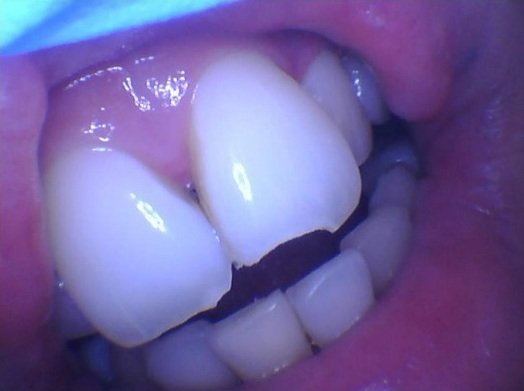
While fillings are most frequently used to treat cavities, restorative materials can also repair chipped, fractured, or worn enamel.
Signs You Might Need a Dental Filling
Cavities do not always cause noticeable symptoms, especially in their early stages. Dentists often detect decay during a routine exam or with X-rays well before any pain begins.
Common signs that warrant a dental evaluation include:
- Temperature Sensitivity: Discomfort or sharp twinges when consuming hot, cold, or sugary foods and drinks.
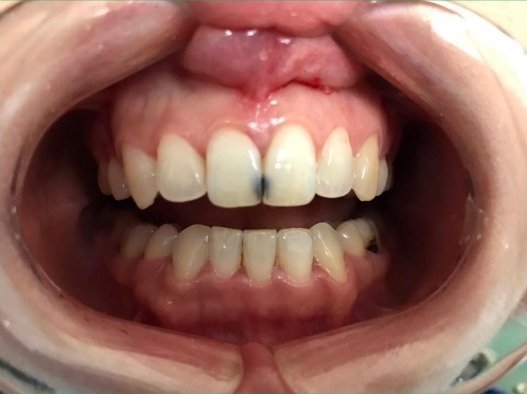
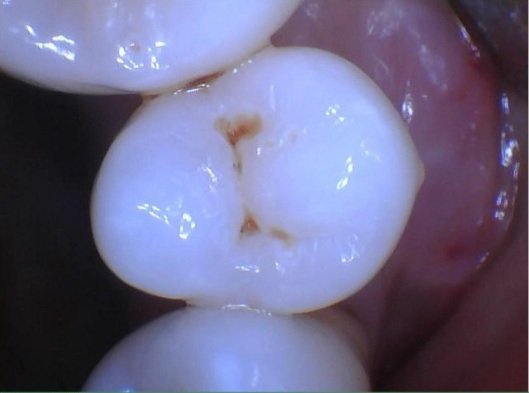
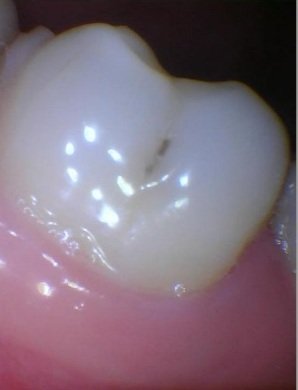
- Visible Pits or Dark Spots: A visible hole, dark staining, or discoloration on the tooth surface (though staining alone does not always mean active decay).
- Rough or Chipped Edges: A damaged area that feels sharp against your tongue or consistently catches food.
- Biting Discomfort: Localized pressure or pain when chewing on a specific tooth.
- Toothache: Persistent, dull, or throbbing pain.
Note: These symptoms do not guarantee you need a filling. Tooth pain and sensitivity stem from various issues, making a professional clinical examination essential.
How Does a Dentist Determine if You Need a Filling?
A dentist evaluates your teeth using a combination of visual, tactile, and diagnostic tools:
- Visual & Tactile Exam: The dentist checks the tooth surfaces and margins for softened enamel or structural breakdown.
- Dental X-Rays (Bitewings): Radiographs identify “hidden” decay between teeth or underneath existing restorations.
- Assessing Lesion Depth:
- Early Enamel Lesions: In the earliest stages, mineral loss may sometimes be arrested or remineralized with preventive therapies like prescription fluoride and improved plaque control.
- Cavitated Lesions: Once the enamel has physically broken down into a true cavity, a restorative filling is necessary to stop bacteria from advancing into the dentin and pulp.
- Late-Stage Lesions: If decay progresses deep enough to significantly inflame or infect the dental pulp—the soft tissue inside the tooth—a simple filling may no longer be sufficient. In these situations, root canal treatment may be needed to treat the inside of the tooth and help preserve it.
Types of Dental Filling Materials
The choice of restorative material depends on tooth location, the size of the cavity, biting forces, aesthetic preference, moisture control during placement, and budget.
| Material | Primary Benefit | Typical Application | Direct vs. Indirect |
|---|---|---|---|
| Composite Resin | Matches natural tooth color | Front or back teeth | Direct (1 visit) |
| Dental Amalgam | High durability & wear resistance | Back molars (heavy chewing) | Direct (1 visit) |
| Ceramic / Porcelain | Highly aesthetic & stain-resistant | Large restorations (Inlays/Onlays) | Indirect (1–2 visits) |
| Cast Gold | Excellent Durability & longevity | Large restorations (Inlays/Onlays) | Indirect (1–2 visits) |
1. Composite Resin
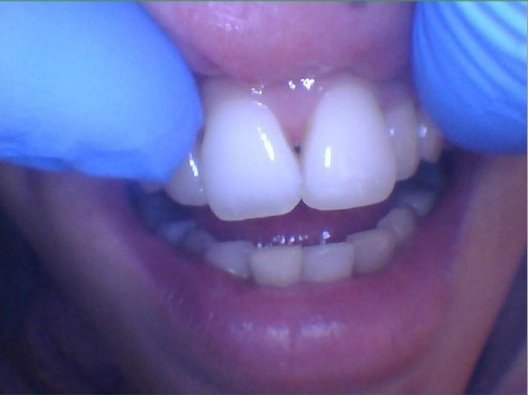
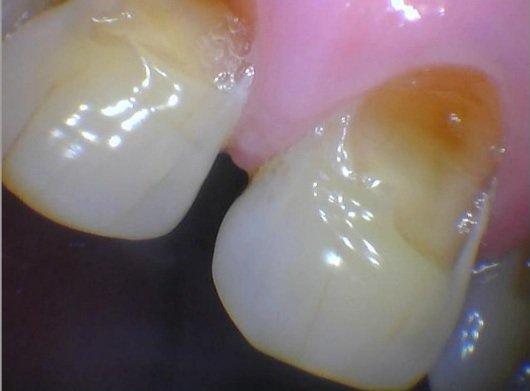
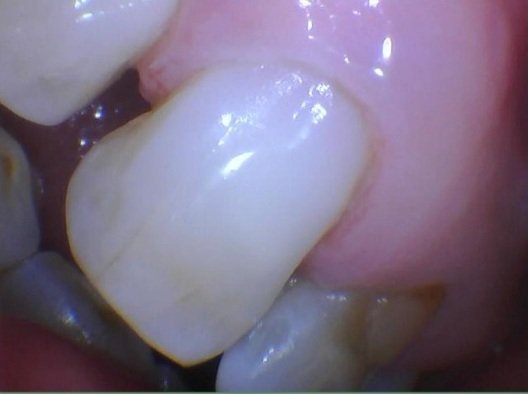
Composite resin is a tooth-colored mixture of plastic and fine glass particles that bonds directly to natural enamel.
- Key Advantages: Blends seamlessly with natural tooth shades, requires less removal of healthy tooth structure, and bonds micro-mechanically to enamel and dentin.
- Considerations: Longevity depends on cavity size, oral hygiene, diet, and whether you clench or grind your teeth (bruxism).
2. Dental Amalgam
Dental amalgam is a stable alloy made from silver, tin, copper, and elemental mercury. It has over 150 years of clinical track record.
- Key Advantages: Exceptional durability under heavy chewing forces, high wear resistance, and cost-effectiveness.
- Current Clinical Status: While amalgam remains recognized by the ADA as a safe and durable option, its routine use has declined steadily in favor of tooth-colored alternatives and broader mercury-reduction initiatives.
- Existing Fillings: The FDA does not recommend routinely removing functional, intact amalgam fillings simply because they contain amalgam. Removal can cause unnecessary loss of healthy tooth structure and temporary increases in mercury vapor exposure.
3. Ceramic and Gold (Inlays & Onlays)
When a tooth has lost too much structure for a standard direct filling—but does not yet require a full crown—an indirect restoration (inlay or onlay) may be recommended.
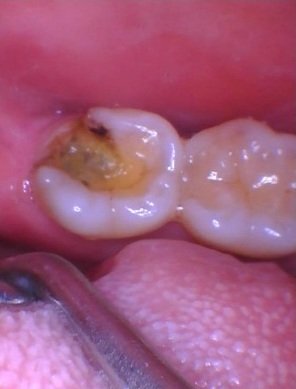
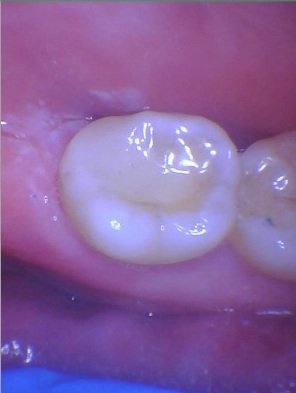
- Direct vs. Indirect: Unlike a standard filling shaped directly inside the mouth, inlays and onlays are custom-fabricated outside the mouth (in a dental lab or via chairside milling) and bonded in place.
- Same-Day Restorations (CAD/CAM): Many modern practices use digital intraoral scanners and chairside milling units (CAD/CAM) to design, mill, and bond a permanent ceramic restoration in a single appointment, bypassing the need for temporary restorations or messy impression trays.
What Happens During the Filling Procedure?
A routine direct filling typically involves the following steps:
- Local Anesthesia: A topical numbing gel is applied, followed by a local anesthetic injection. (Note: You may still feel light pressure or vibration during the procedure, but sharp pain is eliminated.)
- Decay Removal: The dentist cleans out decayed enamel and dentin, sanitizing the preparation site.
- Tooth Preparation & Etching: For composite fillings, a mild etching gel and adhesive bonding agent prepare the tooth surface for a secure bond.
- Placement & Curing: The composite resin is applied in thin layers and hardened instantly using a specialized blue LED curing light.
- Shaping, Polishing & Bite Check: The dentist refines the anatomy of the tooth, checks your bite using articulating (marking) paper, and polishes the restoration smooth.
Does Getting a Dental Filling Hurt?
With effective local anesthesia, most patients experience little or no pain during a routine dental filling.
- During Treatment: You will feel water spray, gentle pressure, and vibration, but no sharp discomfort. Inform your dentist immediately if you feel pain so they can administer additional anesthetic.
- After Treatment: Mild temperature sensitivity or gum soreness near the injection site for a few days is common and typically resolves on its own.
How Much Do Dental Fillings Cost?
The cost of a dental filling varies based on several clinical and administrative factors:
- The number of tooth surfaces involved (e.g., one-surface vs. multi-surface restoration)
- The material used (composite vs. amalgam vs. custom-milled ceramic)
- The location and complexity of the tooth
- Geographic area and provider fee structures
- Dental insurance coverage, deductibles, and annual maximums
Because every clinical situation is unique, the most accurate cost estimate is provided directly by your dental office after a formal diagnostic examination.
What to Expect After Your Procedure
- Numbness: Your cheek, lip, and tongue may remain numb for 1 to 3 hours. Avoid hot liquids and chew carefully to prevent accidental soft-tissue bites.
- Eating & Drinking: Composite fillings harden immediately under the curing light, meaning you can eat once the numbness wears off.
- Bite Sensitivity: If your tooth feels ‘high’ or contacts first when you close your mouth, contact your dentist. A bite adjustment may be needed.
How Long Do Dental Fillings Last?
Fillings do not come with an expiration date, nor do they need to be replaced simply because of age. Their longevity depends on:
- Quality of daily brushing and flossing
- Regular professional cleanings and examinations
- Diet (frequency of acidic or sugary foods)
- Parafunctional habits (teeth grinding, clenching, or ice chewing)
- The size of the original restoration
Dentists inspect existing fillings at every checkup for marginal leakage, cracking, or recurrent decay beneath the restoration.
When to Contact Your Dentist
Call your dental office if you experience:
- A bite that feels uneven or hits before other teeth
- Sharp, throbbing, or worsening pain
- Sensitivity that persists or worsens after two weeks
- A visible chip, crack, or roughness in the new filling
- Swelling or gum inflammation around the treated area
Frequently Asked Questions
Can a cavity heal without a filling?
Very early demineralization confined to the outer enamel surface can sometimes remineralize with prescription fluoride, remineralizing pastes, and strict plaque control. Once bacteria break through the enamel surface and create a structural hole (cavity), restorative treatment is required.
Can I eat immediately after a filling?
With composite resin, the material is fully cured before you leave the chair. However, it is strongly recommended to wait until the local anesthesia completely wears off so you do not inadvertently bite your tongue, cheek, or lip.
Why is my tooth sensitive after a filling?
Mild postoperative sensitivity to temperature or pressure is normal as the nerve inside the tooth settles after mechanical instrumentation. If sensitivity is severe or lasts longer than 10–14 days, contact your dentist for an evaluation.
Should I replace my old silver fillings with white ones?
Not unless there is a clinical reason to do so. The FDA and ADA do not recommend removing sound, intact amalgam restorations solely for cosmetic or non-clinical reasons, as removing them removes healthy tooth structure and causes unnecessary trauma to the pulp.
What happens if an active cavity is left untreated?
Untreated decay gradually spreads through the enamel into the dentin, eventually reaching the dental pulp (nerve and blood vessels). Left long enough, an untreated cavity can result in severe pain, abscess formation, the need for root canal therapy, or tooth extraction.
Sources & References
- National Institute of Dental and Craniofacial Research (NIDCR): Dental Fillings & Tooth Decay Process.
- American Dental Association (ADA): Direct and Indirect Restorative Materials Guide.
- U.S. Food and Drug Administration (FDA): Dental Amalgam Fillings: Information for Patients.
- Journal of the American Dental Association (JADA): Trends and Clinical Outcomes in Restorative Dentistry.