
Medical Disclaimer: This article provides general educational information and is not a substitute for diagnosis or individualized advice from a dentist, endodontist, or other qualified healthcare professional.
Hearing that you need a root canal can sound intimidating. In reality, modern root canal treatment is a routine dental procedure designed to relieve pain, eliminate infection, and save your natural tooth from extraction.
💡 Straight from the Dentist: The Bottom Line on Root Canals
“The biggest myth in dentistry is that root canals are painful. In reality, the procedure relieves the throbbing pain caused by an infected or dying dental nerve.
Thanks to modern local anesthetics and rotary instruments, getting a root canal feels almost identical to receiving a standard dental filling. Best of all, it allows you to retain your natural tooth root in the jawbone, preserving your natural bite alignment and avoiding the higher long-term costs of dental implants or bridges.”
What Is Root Canal Treatment?
Root canal treatment—also called endodontic therapy—treats the interior of a tooth when the dental pulp becomes inflamed, infected, or irreversibly damaged.
Beneath the outer enamel and dentin lies the dental pulp, a soft tissue containing nerves, blood vessels, and connective tissue. While pulp is essential during a tooth’s growth and development, a fully mature tooth can function normally without it because the surrounding periodontal ligament and bone continue to nourish and support the tooth.
During treatment, the clinician removes the diseased pulp, disinfects and shapes the internal canal system, and seals the space to prevent reinfection.
Why Might You Need a Root Canal?
The pulp can become irreversibly inflamed or infected due to:
- Deep Tooth Decay: Cavities that penetrate through the enamel and dentin into the pulp chamber.
- Cracks or Fractures: Physical fractures that allow oral bacteria to seep into the inner chamber.
- Dental Trauma: Severe impact or injury that disrupts blood supply to the tooth (even without a visible crack).
- Repeated Dental Procedures: Multiple deep restorations on the same tooth that cause cumulative pulpal stress.
Why Early Treatment Matters: If an infected pulp is left untreated, bacteria multiply and spread into the surrounding jawbone, causing severe pain, bone loss, an abscess (pus accumulation), and eventual loss of the tooth.
Common Signs You Might Need a Root Canal
Symptoms vary widely. Some teeth cause throbbing pain, while others remain completely asymptomatic and are only discovered on routine X-rays.
Common warning signs include:
- Lingering Temperature Sensitivity: Sharp or dull ache to hot or cold that persists long after the food or drink is removed.
- Severe Biting Pain: Discomfort or localized pressure when chewing.
- Spontaneous, Throbbing Pain: Toothache that occurs without any apparent trigger, particularly at night.
- Swollen or Tender Gums: A small pimple-like bump (fistula/abscess) on the gums near the tooth root.
- Tooth Darkening: Discoloration or graying of the tooth structure caused by internal pulp necrosis.
Note: These symptoms can also stem from cracked tooth syndrome, gum disease, or sinus pressure. A clinical exam is essential for an accurate diagnosis.
How a Dentist Diagnoses the Need for a Root Canal
To verify whether the pulp is irreversibly inflamed or non-vital, your dental provider will perform specific diagnostic tests:
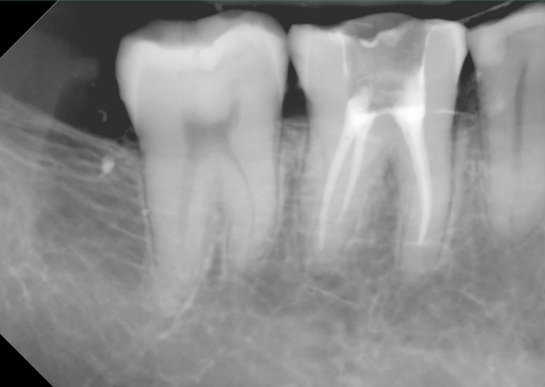
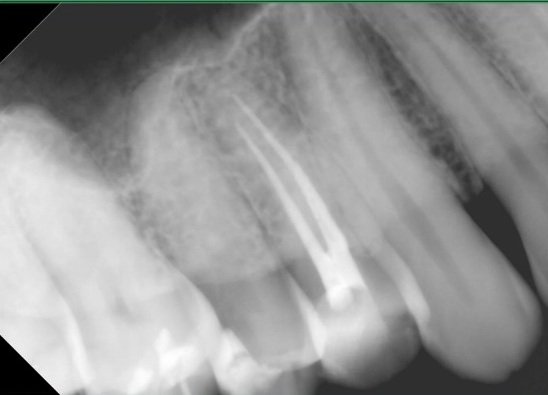
- Digital Radiographs (Periapical X-Rays): To inspect the root tips, bone density, and canal anatomy.
- Pulp Vitality Testing: Applying cold or mild electrical stimuli to compare the nerve response to healthy neighboring teeth.
- Percussion & Palpation: Gently tapping the tooth and pressing adjacent gum tissue to check for inflammation in the surrounding ligament.
- Bite Testing: Checking whether pressure on specific cusps indicates a structural fracture.
Who Performs a Root Canal: General Dentist vs. Endodontist
A common question patients have is whether they must see a specialist for a root canal. Not all root canal treatments need to be done by an endodontist.
Many routine root canal treatments are performed safely and successfully by general dentists. The decision to treat in-house or refer to an endodontist depends on the tooth’s anatomy, the severity of the infection, and clinical findings.
| Clinical Factor | Typically Managed by General Dentist | Typically Referred to Endodontist |
|---|---|---|
| Tooth Type | Front teeth (incisors/canines) & premolars | Complex multi-rooted molars |
| Canal Anatomy | Straight, clearly visible, accessible canals | Severely curved, narrow, or calcified canals |
| Case History | First-time (primary) root canal | Retreatment of a previous root canal |
| Diagnostic Complexity | Straightforward, visible pathology | Hidden fractures, persistent unexplained pain |
| Specialized Tools Needed | Standard magnification & digital X-rays | High-powered surgical microscopes & 3D CBCT imaging |
💡 A Note from the Dentist: Continuity of Care & Cost Savings
In my own clinical practice as a general dentist, I routinely perform root canal treatments on anterior (front) teeth, premolars, and straightforward molars with high success rates.
For patients, having your general dentist perform the procedure offers two significant practical advantages:
- Cost-Effectiveness: Specialist fee schedules are typically higher, and seeing an endodontist often incurs an additional consultation or imaging fee. When a case is clinically straightforward, having your general dentist complete it keeps your out-of-pocket costs considerably lower.
- Seamless Continuity of Care: Your dentist already knows your complete dental history and can often begin the restorative process (such as placing the core buildup or preparing the crown) without the inconvenience and delay of traveling between separate dental offices.
That said, safe and predictable dentistry is all about proper case selection. If a tooth presents with severely curved roots, calcified canals, or complex anatomy, referring to an endodontic colleague ensures you receive the highest standard of specialized care.
What Happens During Root Canal Treatment (Step-by-Step)
Most root canals follow a predictable, multi-step sequence:
Numbing the Area: Local anesthetic is administered to ensure you feel comfortable throughout the appointment.
Placing a Dental Dam: A small, flexible sheet isolates the treated tooth, keeping it clean, dry, and protected from oral bacteria and saliva.
Creating the Access Opening: A tiny opening is made in the biting surface of the tooth to access the pulp chamber.
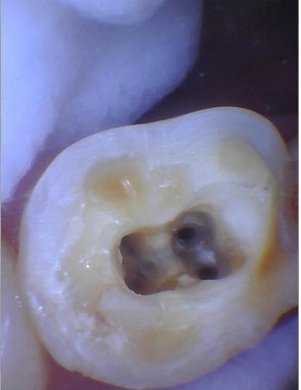
Cleaning and Shaping: Microscopic instruments (endodontic files) gently remove the damaged pulp tissue, clean the canal walls, and shape them for sealing.
Disinfection: Antibacterial irrigating solutions flush out bacteria, debris, and tissue remnants.
Filling the Canals (Obturation): The sanitized canals are filled with a biocompatible, rubber-like material called gutta-percha, paired with an adhesive sealer to prevent future bacterial leakage.
Temporary or Core Buildup: The access opening is sealed with a temporary filling or permanent core buildup material.
Does Getting a Root Canal Hurt?
The short answer is no.
Local anesthetics completely numb the tooth and surrounding tissues before work begins. During the procedure, you will feel gentle vibration and pressure, but you should not feel sharp pain.
- During Treatment: If you feel any sharpness or discomfort, alert your clinician immediately so they can provide additional numbing.
- After Treatment: Mild soreness, ligament bruising, or tenderness when chewing is normal for 2 to 5 days as the surrounding bone heals. Over-the-counter pain relievers (such as ibuprofen or acetaminophen) are typically sufficient to manage postoperative discomfort.
How Many Visits Does It Take?
Many root canals can be completed in a single visit lasting 60 to 90 minutes.
However, a two-visit procedure may be recommended if:
- There is active drainage or severe infection that requires placing an antibacterial medication inside the tooth for 1–2 weeks before final sealing.
- The canal anatomy is exceptionally complex.
- The appointment needs to be divided to ensure patient comfort.
Why Do You Often Need a Crown After a Root Canal?
Performing a root canal removes the internal blood supply, which can make the remaining tooth structure more brittle over time. Furthermore, teeth requiring root canals have often lost significant structure to prior decay or large fillings.
- Back Teeth (Molars & Premolars): Experience heavy chewing forces and almost always require a full-coverage crown to prevent the tooth from splitting or fracturing.
- Front Teeth (Incisors & Canines): Do not endure direct crushing forces and may only need a conservative composite filling if sufficient natural tooth structure remains intact.
Root Canal vs. Tooth Extraction: Which Is Better?
Whenever clinically viable, saving your natural tooth is the preferred option.
- Preserving the Tooth (Root Canal): Maintains your natural bite alignment, avoids bone loss in the jaw, and prevents neighboring teeth from shifting.
- Tooth Extraction: While an extraction may seem faster or cheaper initially, replacing the missing tooth with a dental implant, bridge, or partial denture often requires more appointments and higher overall long-term costs.
An extraction is typically reserved for teeth that are unrestorable due to vertical root fractures, decay extending below the bone level, or severe periodontal bone loss.
Average Costs & Insurance Factors
The cost of a root canal depends on several clinical variables:
- Tooth Location: Front teeth (single canal) cost less than molars (3 to 4 canals).
- Provider: Specialists (endodontists) generally have higher fees than general dentists.
- Need for a Crown: Remember to factor in the cost of the permanent crown or core buildup needed after the root canal is finished.
Most dental insurance plans cover a significant portion (typically 50% to 80%) of endodontic treatment under basic or major restorative services. Your dental office can provide a personalized pre-treatment estimate.
Recovery & What to Expect Afterward
- Avoid Chewing on the Numb Side: Wait until all local anesthesia has worn off to prevent biting your tongue, lip, or cheek.
- Protect the Temporary Filling: Avoid hard, crunchy, or sticky foods on the treated side until the permanent crown is placed.
- Maintain Good Oral Hygiene: Continue gentle brushing and flossing around the tooth.
- Complete the Final Restoration: Schedule your permanent crown or filling promptly. Delaying the final restoration leaves the tooth susceptible to fractures or bacterial reinfection.
When to Contact Your Dentist or Endodontist
Reach out to your dental practice if you experience:
- Visible swelling inside your mouth or on your face/jaw
- Severe pain that does not respond to recommended pain medications
- A loose or dislodged temporary filling/crown
- An uneven bite that hits before other teeth when chewing
- Return of original symptoms weeks after treatment
Frequently Asked Questions
Does a root canal kill the tooth?
A root canal removes the non-vital or inflamed nerve tissue from inside the tooth. However, the tooth remains anchored to living bone and tissue via the periodontal ligament, allowing it to function normally in your bite.
Can antibiotics cure a tooth infection instead of a root canal?
No. Antibiotics travel through the bloodstream, but an infected tooth with a dying pulp has no internal blood flow. While antibiotics can treat spreading infections in surrounding tissues, they cannot sterilize the inside of the tooth. Physical cleaning through a root canal is necessary.
Can a root canal fail?
Root canal treatments boast high success rates (exceeding 90% in most clinical studies). However, failure can occasionally occur if a canal is missed, the crown seal leaks, new decay develops, or the root cracks. In these cases, endodontic retreatment or apicoectomy (minor root-tip surgery) can often save the tooth.
How long does a root-canal-treated tooth last?
With proper oral hygiene, routine dental checkups, and a well-fitted final crown, a tooth treated with a root canal can last many years.
Sources & References
Journal of Endodontics: Long-Term Prognosis and Success Rates of Endodontic Restorations.
American Association of Endodontists (AAE): Root Canal Treatment: Benefits and Clinical Guidelines.
American Dental Association (ADA) — MouthHealthy: Endodontic Procedures & Tooth Anatomy.
National Health Service (NHS): Overview of Root Canal Treatment.